@Gunjob we need the Toothbrush AESA angle pic in here
3 Likes
Should be. If it has IFF, then the symbology should be present
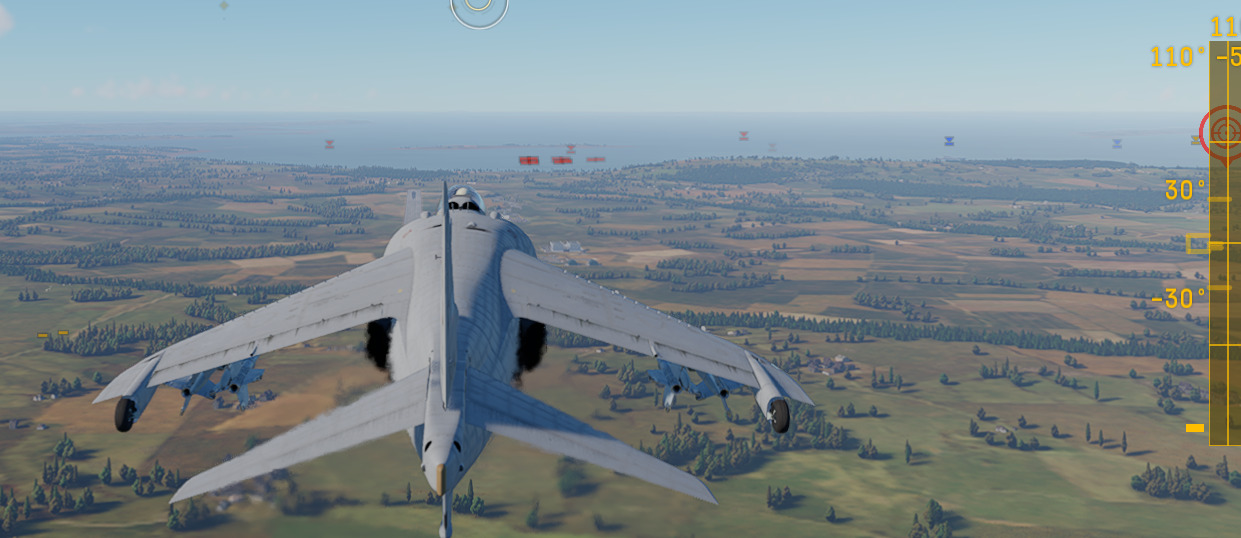
Lightning F6
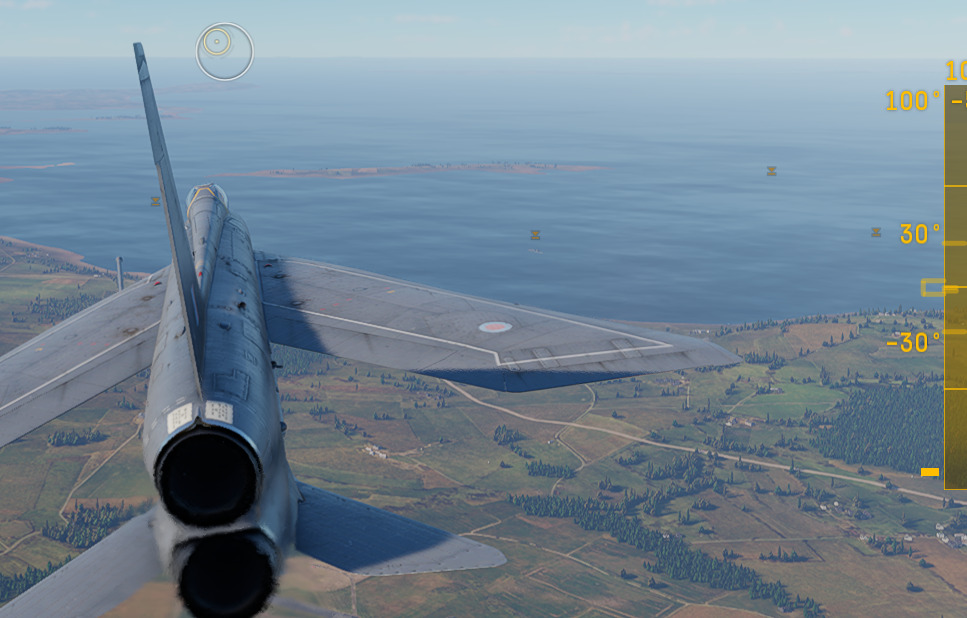
Tornado F3
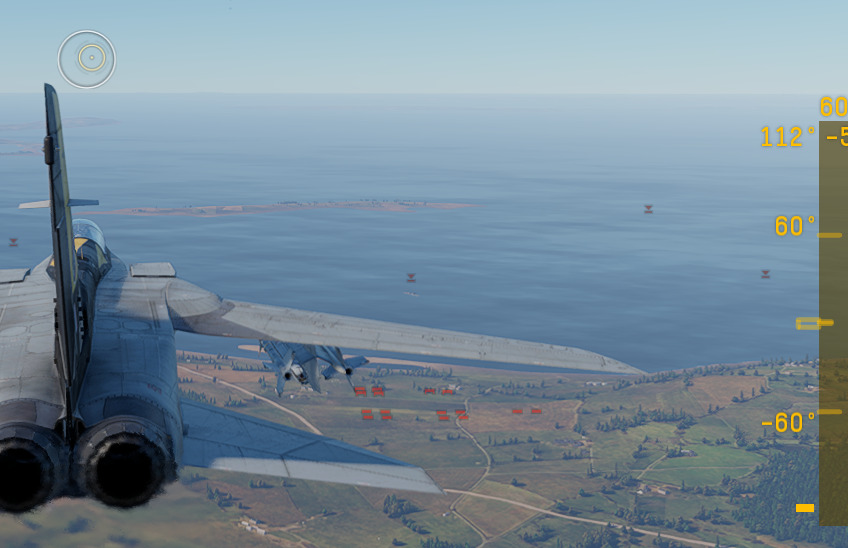
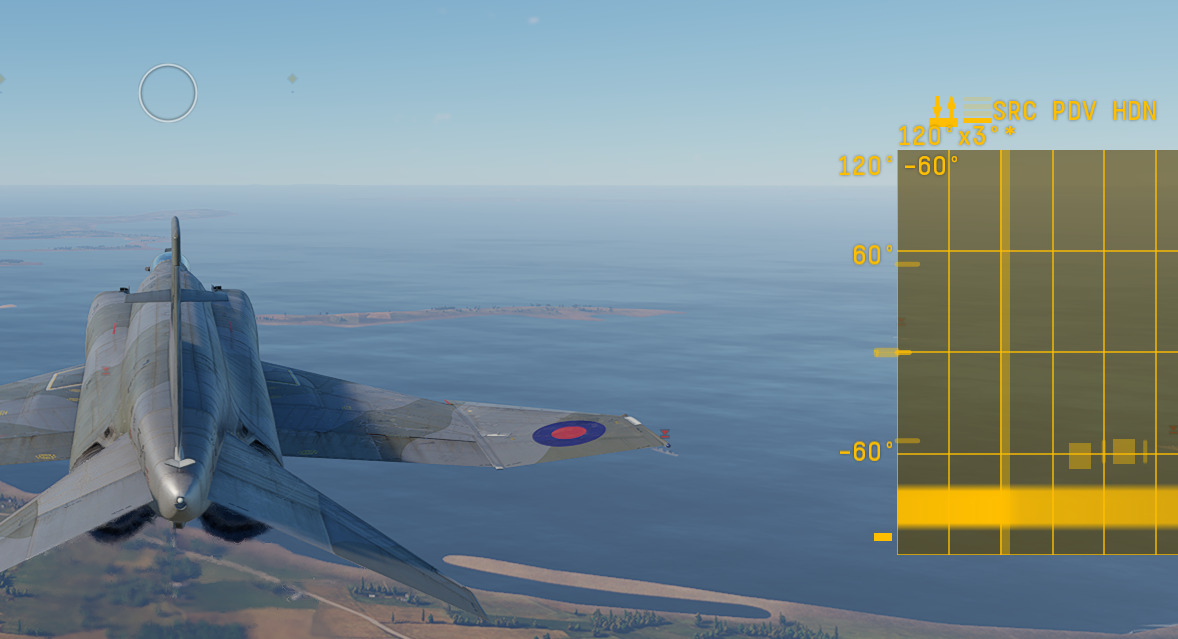
Granted, can only test a handful of aircraft, but I cant think of any reason why a Lightning F6 would have it but something from another nation wouldnt, so long as it has IFF (or at least if that mode has IFF I think) .
If you use the PPI mode (round one) rather than the B-Scope (Square one), then it should still be in the same place in the bottom left
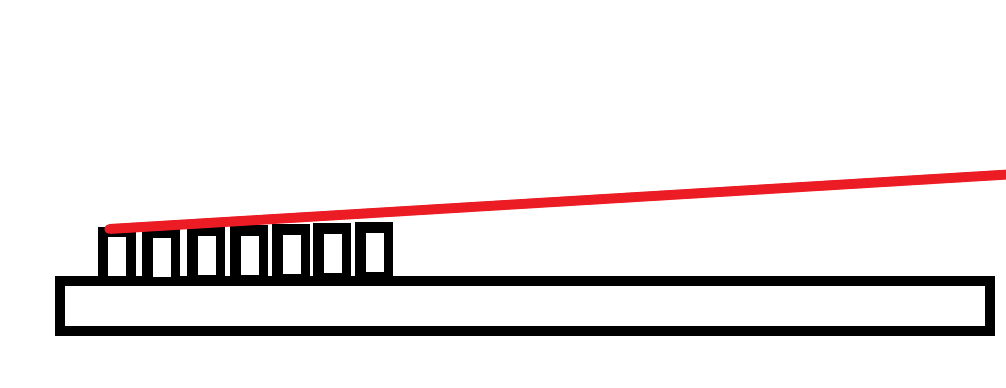
All hail the toothbrush
5 Likes
Long live the toothbrush!
Toothbrush Technology for the Win :3
4 Likes
When discussing sensors FoV is nearly always defined as the area that a sensor can see without being moved. While FoR is defined as the maximum area that a sensor can scan by being mechanically scanned. For example:
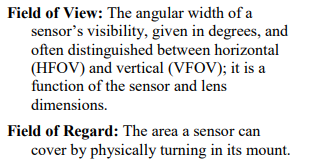
The easiest example of this is aircraft targeting pods where the FoV is the area the camera can see (typically a cone a few degrees wide), while the FoR is the area the camera can be gimballed to look at (i.e. most of a sphere minus a bit backwards.
Spoiler
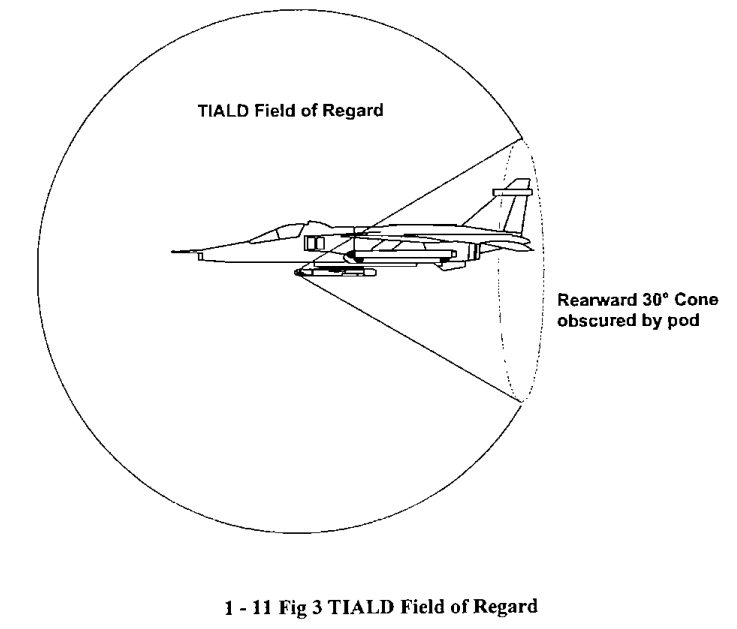
The equivalent for a gimballed AESA radar would be that FoV is the area covered by electronic scanning. While FoR is the expanded area which can be scanned if the antenna is moved.
The wording in that patent is a bit clunky, but it appears to be consistent with the normal definition. If you imagine the sensor as a digital camera on a tripod (a camera is after all a sensor that measures light) then the FoV is what you can see through the viewfinder; it is the total angular space within which the camera’s sensor is able to measure light. While the FoR is the area which the camera can be pointed within on it’s tripod; it is the total angular space within which measurements can be taken (i.e. you can point eh camera anywhere within the gimbal range of your tripod and take a light measurement (i.e. a photo).
In mechanical scanned arrays the best equivalent would be that FoV is the beam width, while the FoR is the gimbal limits of the antenna.
An FoV of 180° would mean the AESA plate can see a full 180° arc, which is physically impossible. That that is the laws of physics, not my opinion.
4 Likes
You realise your name is on a list now for potentially breaching the Official Secrets Act.
NOBODY is supposed to know about …whispers… the toothbrush.
5 Likes
I find it simply fascinating, how this community can argue about track colour using classified documents (did not happen, a hyperbole), while at the same time consulting a toothbrush.
1 Like
well can you see the bristles of your toothbrush when holding it 90° sideways to your face?

knew i forgot to specify something
The same applies for the IRST one the rafale, so I personally take it that it’s usually industry standard.
But as every standards, you still see the odd brochure that doesn’t follow it correctly
The last example I can think of is in that meteor brochure where they use the ISP definition loosely by referencing it instead of gaz ejection speed (ISP being gaz ejection speed divided by gravity). So it gave values 10 times higher than we could expect, making quite a big confusion when it came to the efficiency of ramjet engines
Not entirely sure, since I’d need to see the whole document, but this more looks like an iFoV definition than FoV.
I see that as a common mistake in literature.
Nothing is clunky here, it’s really simple.
The problem is your inability to understand the difference between measurement and emitting angular range.
“Measurement” isn’t chosen here by coincidence. It’s a patent office after all.
FoV is total usable angle, FoR is total used angle to get that usable angle.
The way to get to that angle, via electronical steering, or repositioner is absolutely irrelevant.
No, it’s not. It’s iFoV, not FoV.
FOV is also known as the maximum field of regard.
You don’t get it, do you?
I gave you a link to it.
That is not the way it is used in literature describing aircraft / military sensors. A few random examples
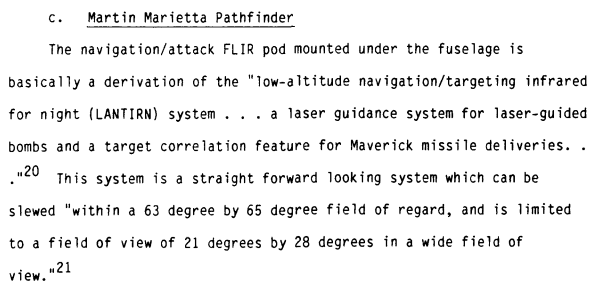
Martin Marietta Pathfinder
A 21° x 28° FoV can be slewed within a 63° x 65° FoR
Spoiler
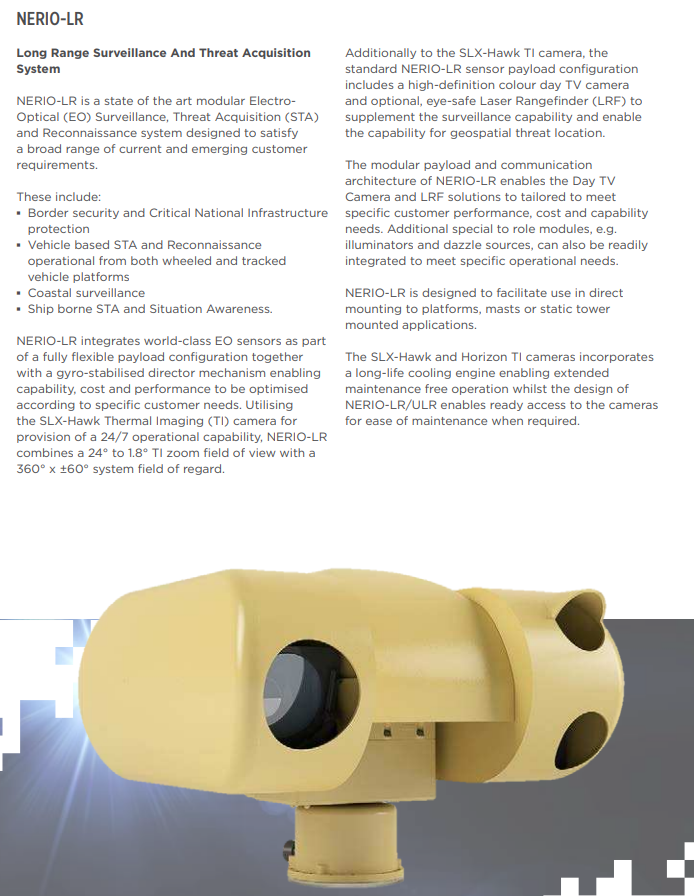
NERIO-LR
A variable 1.8° - 24° FoV can be slewed around within a 360° x ±60° field of regard.
Spoiler
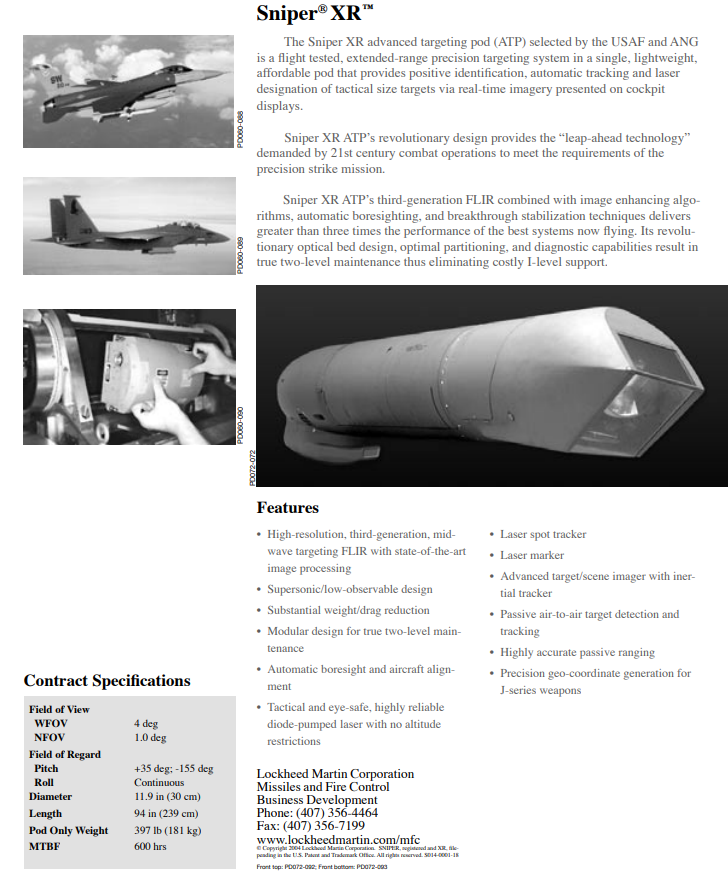
Sniper XR
A selectable 1° or 4° FoV can be slewed within a 165° FoR
Spoiler
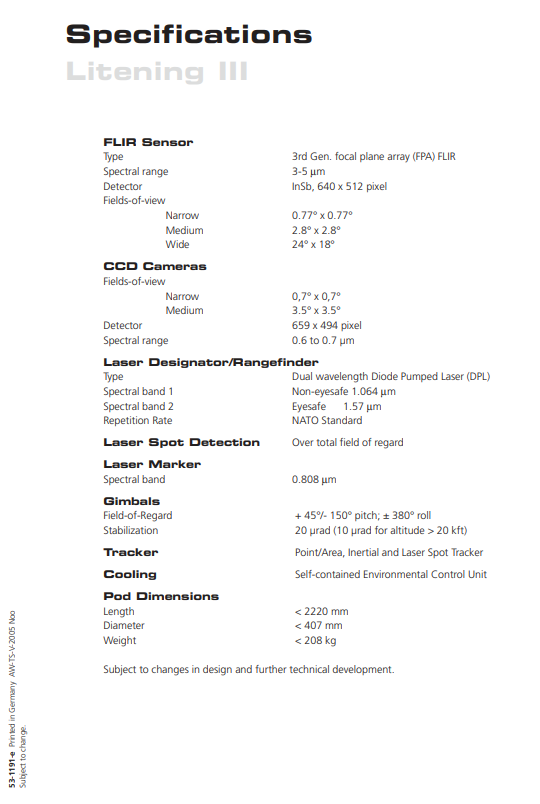
Litening III
Various selectable FoVs can be slewed within an FoR of 45°/- 150° in pitch pitch and ± 380° roll
Spoiler
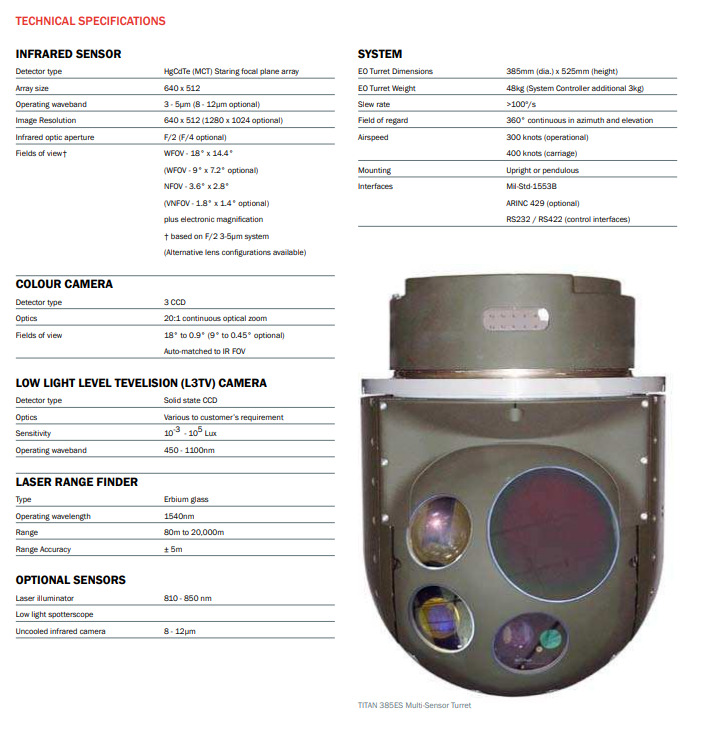
Titan 385ES
Various FoVs can be slewed within a 360° field of regard
Spoiler
Sea King HU.5 Turret
The turret has various FoVs and can be slewed within a 360° FoR
Spoiler
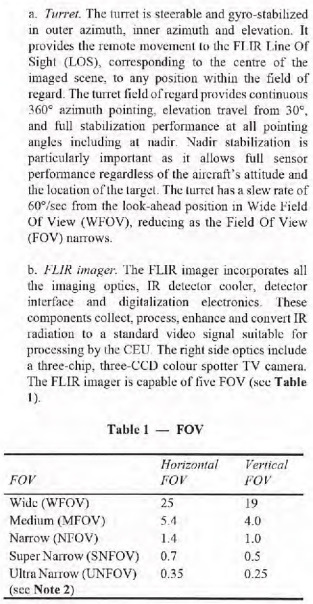
TIALD Pod
Once again various FoVs which can be slewed around within a FoR.
Spoiler
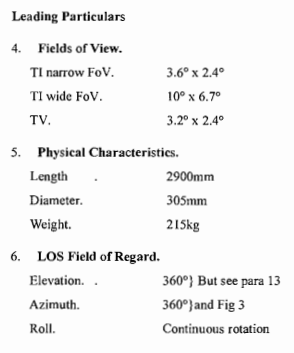
Pretty much universally in defence publications the FoV defines the cone of vision of a sensor and the FoR defines the region which that sensor can cover if slewed around.
7 Likes
(slightly off-topic for the current convo, but do you have anything for Litening V FoV or FoR?)
Pod body is unchanged so the FoR likely is too (the limiting factor for FoR on targeting pods is usually how far backwards you can point the camera before the back of the pod blocks it’s view).
No info on FoV, just that it is a 1k resolution FLIR sensor
Thank you.
if it were implemented, what do you reckon gaijin would base it on? Sniper or Litening III (for placeholder stats in the absense of known figures )
Ok, now there’s no doubt.
You’re conflating iFoV with FoV.
But as I said, I see that happening a lot in “literature”.
Suffice to say, you’re wrong, big time.
Got a source for that? Or are you just being unpleasant and obtuse on purpose?
Given you have 57 games of war thunder total, 45 of which are in the D.371, a reserve, I am going to hazard a guess it’s the latter. Does raise a new question though, 13 and edgy, or a just tool being antisocial on an alt? Given the 0 K/D you have in everything I am going to hazard a guess at an alt account.
1 Like
I wonder more whos the owner of that alt account, or maybe the 57 are just a bug?