It varies from plane to plane, I don’t really know how gaijin comes up with their numbers.
For reference, Su-27 is ~7%, Raf is ~2%, Euro is ~5%.
At the same time F-15 is ~20%, MiG-29 is ~18%.
It varies from plane to plane, I don’t really know how gaijin comes up with their numbers.
For reference, Su-27 is ~7%, Raf is ~2%, Euro is ~5%.
At the same time F-15 is ~20%, MiG-29 is ~18%.
If the loss is 7%, then the data might be correct?
Most likely.
if you took the number stated (14,784 ) and subtracted 7% you would get 13,749, which is only 41 kN off.
Also are you sure it’s kN and not Kgf?
Huh, the unit should be kgf — my bad.
not mainly installed thrust loss, gaijin’s number in state card is 0m altitude and 0m/s speed, but test-bed static thrust has a simulated environment of about 0.6 mach speed and (I forget number)m altitude. you can find this in classic engines with known thrust curves like AL-31F or F-110
edit, test-bed static thrust is based on altitude 0m, speed ~0.5mach, same standard for CN US RU
That would also be something to take into account, yes.
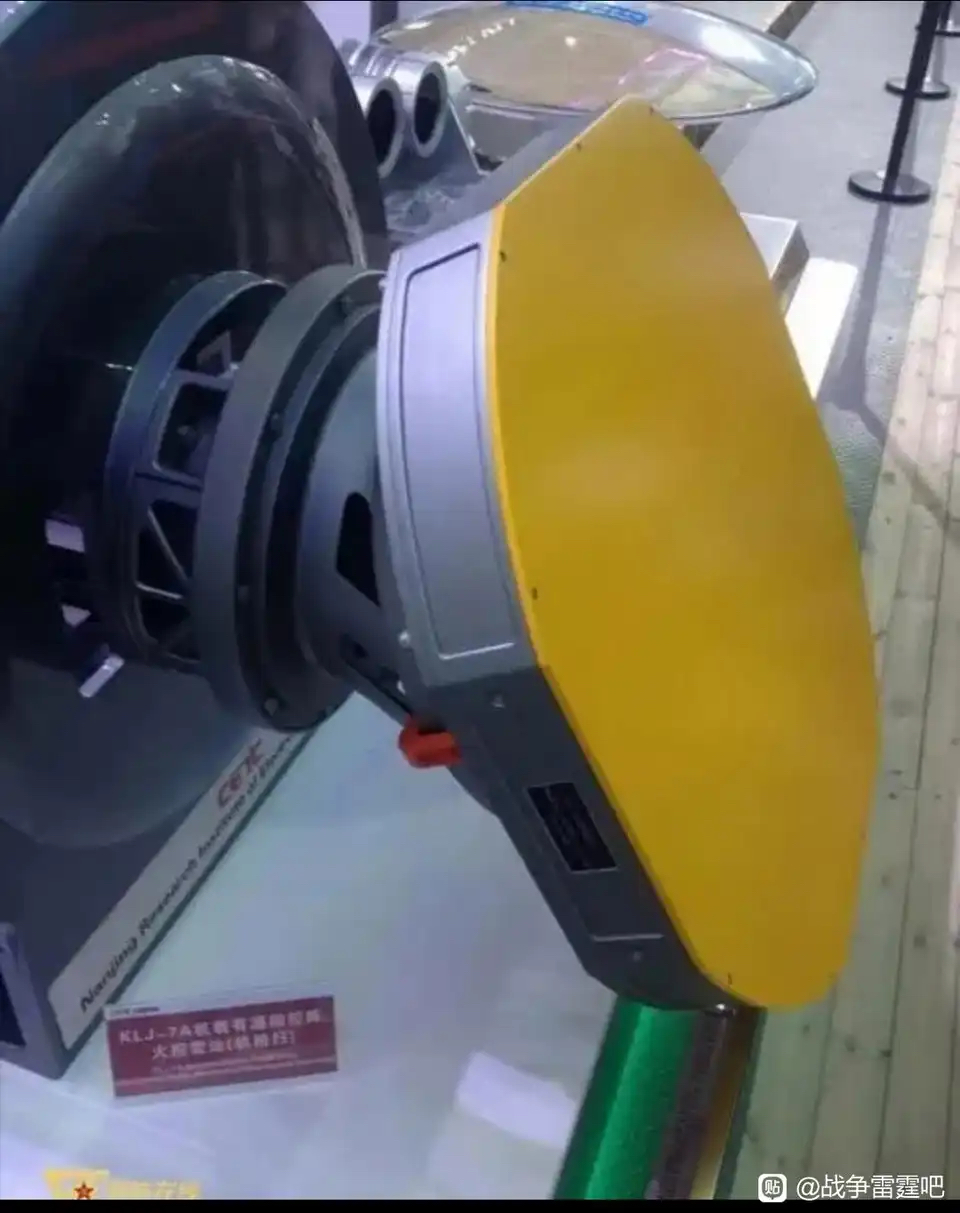
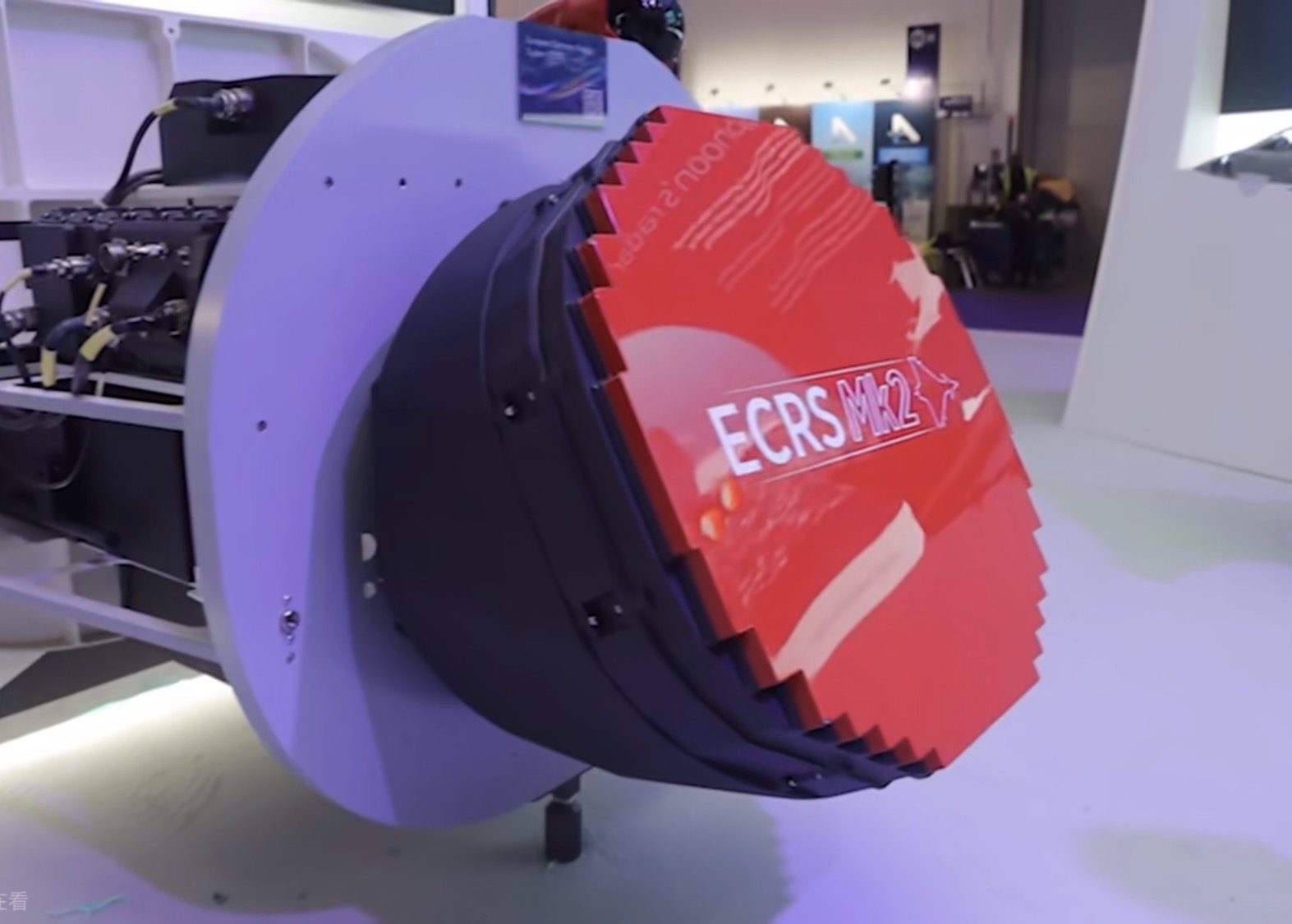
like f2000 aesa‘s radar,not su35’s one
I meant moreso just being a Gimbaled ESA, not really specifying PESA or AESA.
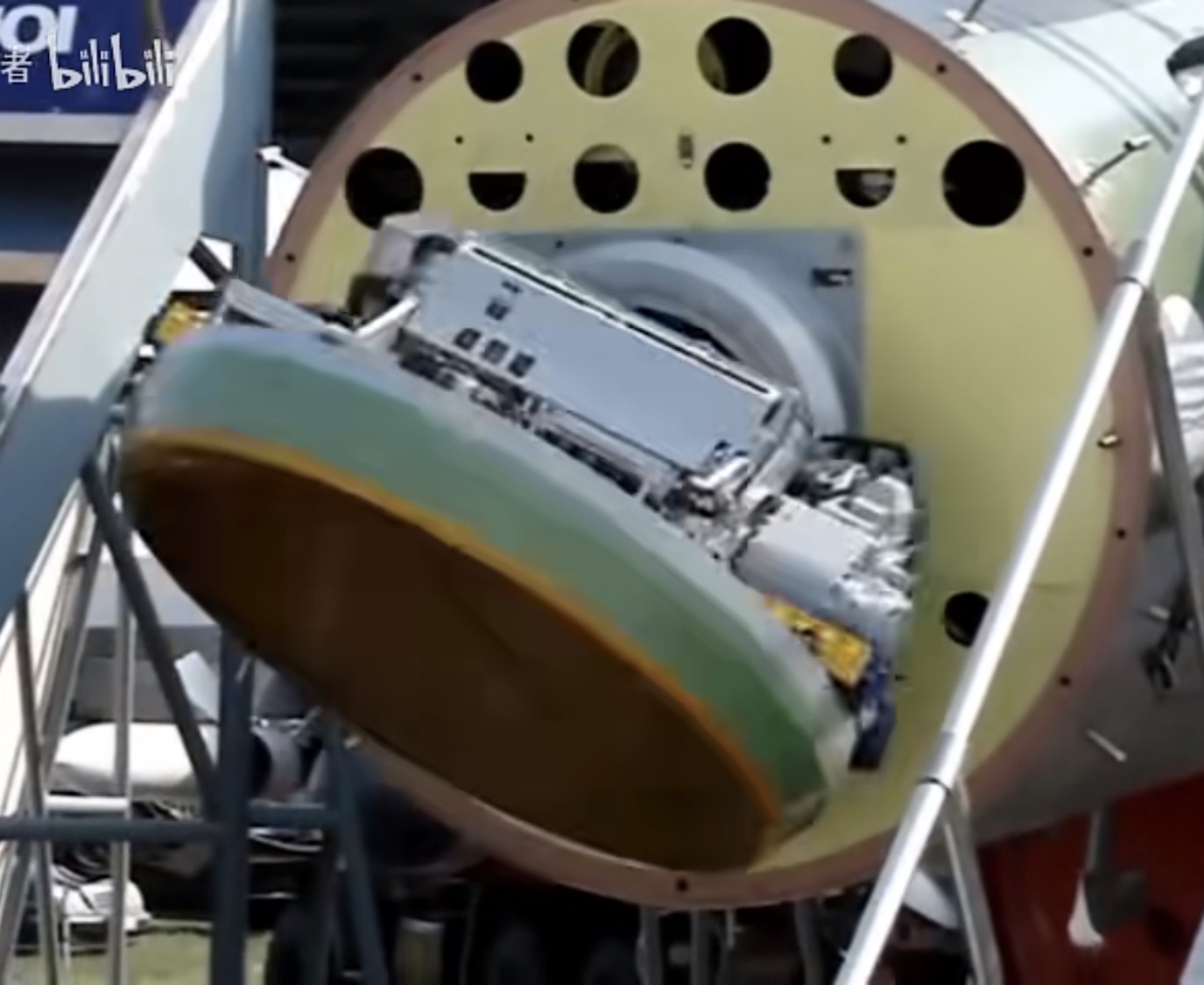
What I mean is it’s tilted array rotates on a spindle like captor e, that can achieve 200x200 degree scan range
If you do have sourcing you could probably bug report it and seems if gaijin accepts it (?). Cause if its getting the WS-10B series 3 it should be the MLU packaged j 16 if that changes anything
I figured this would be the case, since it’s chinese. :/
Thank you for the answer. ^^
huh okay coincidently the thrust used by janes ends up being around same as this although without CL,
The engine weight fits one to one with the janes source tho, unless you have another source that says the same 1795kg
Name only change or?
Who knows
Eh, perhaps in today’s dev update.
Interesting… now just waiting for the new dev update.
Well, congrats to Ares for being able to make the report go through.